 The Keycap Club
Hiragana and Hangul Sublanguages: Multilingual Keycap Design

Understanding the Beauty of Hiragana and Hangul
Languages are a reflection of culture, and the scripts used to represent them are as diverse as the peoples who speak them. Among the fascinating scripts are Hiragana and Hangul, each with its own unique characteristics and historical significance. Both scripts serve as essential components of their respective languages: Japanese and Korean. The integration of these scripts into keycap designs has opened up new avenues for multilingual communication and expression.
“The beauty of language lies in its diversity, and embracing this diversity in design can foster greater understanding and connection.”
The Significance of Hiragana
Hiragana is one of the phonetic alphabets used in the Japanese language, consisting of 46 basic characters. Each character represents a distinct sound, and together they form the foundation for Japanese literacy. Hiragana is often used for native Japanese words, grammatical elements, and as a supplementary script alongside Kanji, which represents borrowed Chinese characters. The fluid, curvy shapes of Hiragana characters make them visually appealing and add an artistic flair to any design.
The Elegance of Hangul
Hangul, on the other hand, is the writing system for the Korean language, developed in the 15th century during the reign of King Sejong. It consists of 14 basic consonants and 10 basic vowels, which can be combined to create syllabic blocks. Hangul is celebrated for its scientific design, making it easy to learn and use. Its geometric shapes and clean lines lend themselves to modern aesthetic preferences, facilitating its incorporation into various design elements such as keycaps.
Multilingual Keycap Design: Bridging Cultures
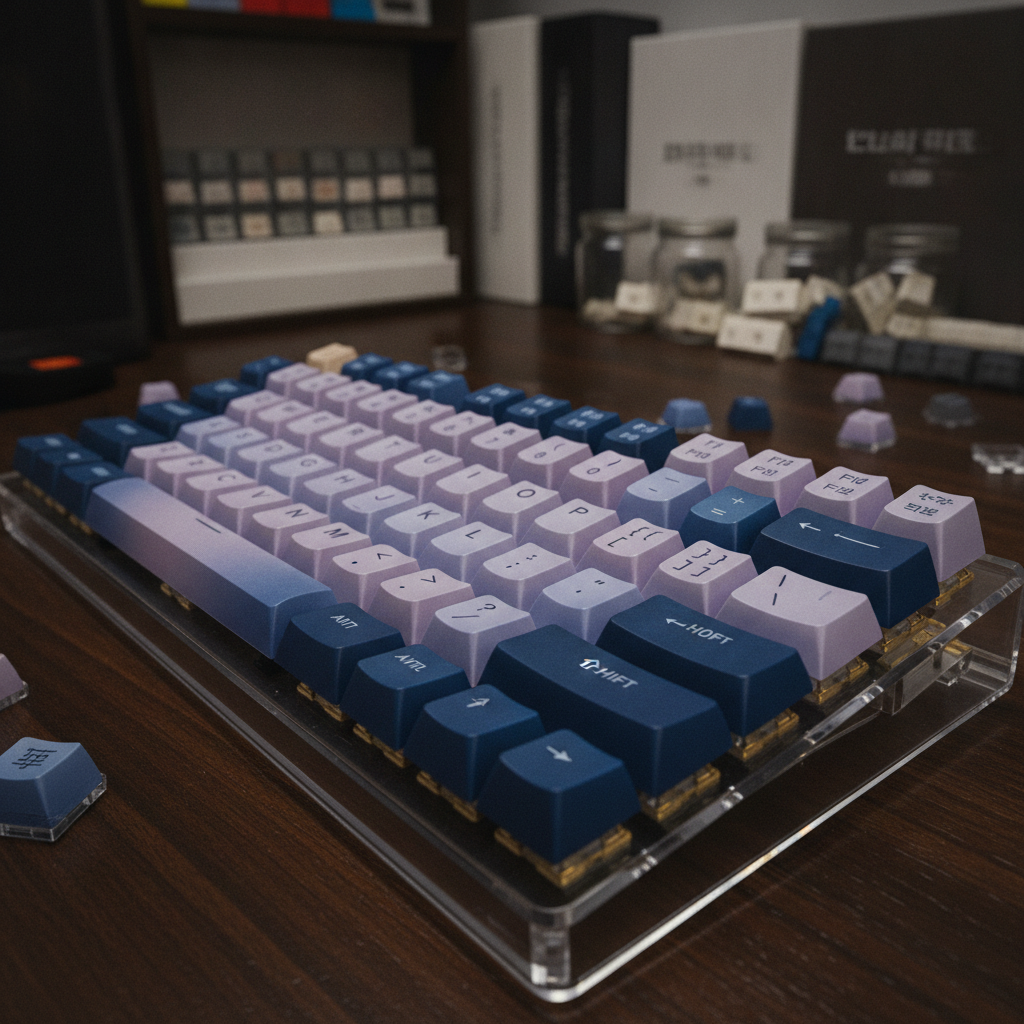
The fusion of Hiragana and Hangul in keycap designs highlights the increasing importance of multilingualism in our globalized world. By incorporating these scripts into keyboard designs, manufacturers not only cater to a broader audience but also celebrate cultural heritage. This thoughtful approach allows users to express their linguistic identity while promoting inclusivity.
“Design that bridges multiple languages not only enhances functionality but also cultivates a sense of belonging among diverse users.”
Conclusion
Incorporating Hiragana and Hangul into multilingual keycap designs does more than just serve a practical purpose; it embodies a celebration of culture and language. Such designs not only make typing more accessible for speakers of Japanese and Korean but also foster appreciation for the intricacies of each script. As the world becomes increasingly interconnected, the demand for thoughtful, multilingual designs will continue to grow, enriching our communication and understanding of one another.