 The Keycap Club
Render vs Reality: The Art of Keycap Set Design
Exploring the Intersection of Imagination and Realism
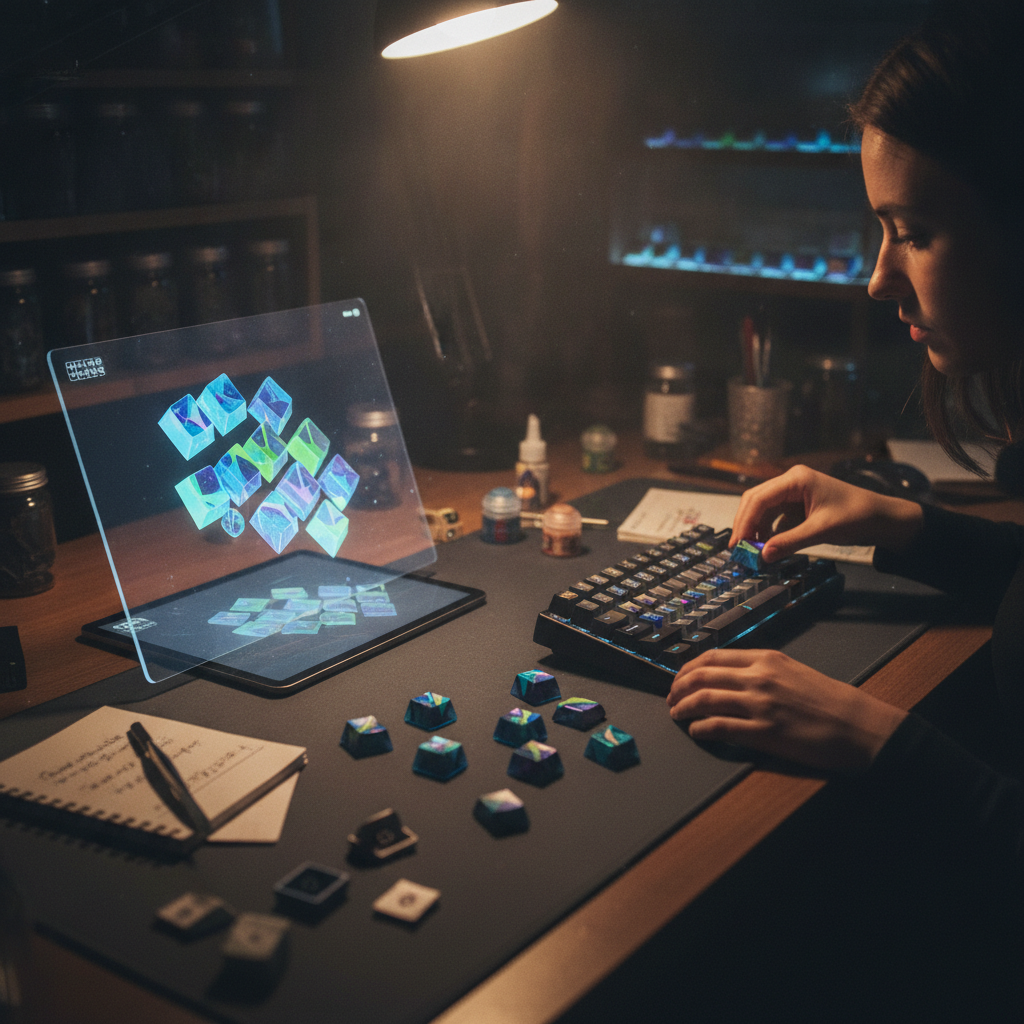
In the world of mechanical keyboards, custom keycap sets have become a vibrant expression of individuality for enthusiasts and gamers alike. Designers are increasingly turning to 3D visualization tools to bring their imaginative concepts to life before they ever reach production. This blend of render and reality not only streamlines the design process but also elevates the aesthetic experience for users.
3D Visualization: A Designer's Playground
At the core of keycap set design is 3D visualization, which allows designers to create detailed models of their ideas. This technology enables them to experiment with various shapes, colors, and textures in a virtual space. Using software like Blender or Maya, designers can manipulate every element of their design, giving them the freedom to explore multiple aesthetics without the constraints of physical materials.
“3D visualization provides an invaluable tool for designers, allowing them to visualize concepts that push the boundaries of traditional keycap design.”
Moreover, this technology allows for quick iterations. If a designer is not satisfied with the curvature of a keycap or the shade of a color, they can make adjustments instantly, saving both time and resources. The ability to visualize a product in its entirety helps in identifying potential issues early in the design process, reducing the likelihood of costly mistakes during manufacturing.
From Render to Reality: The Transition
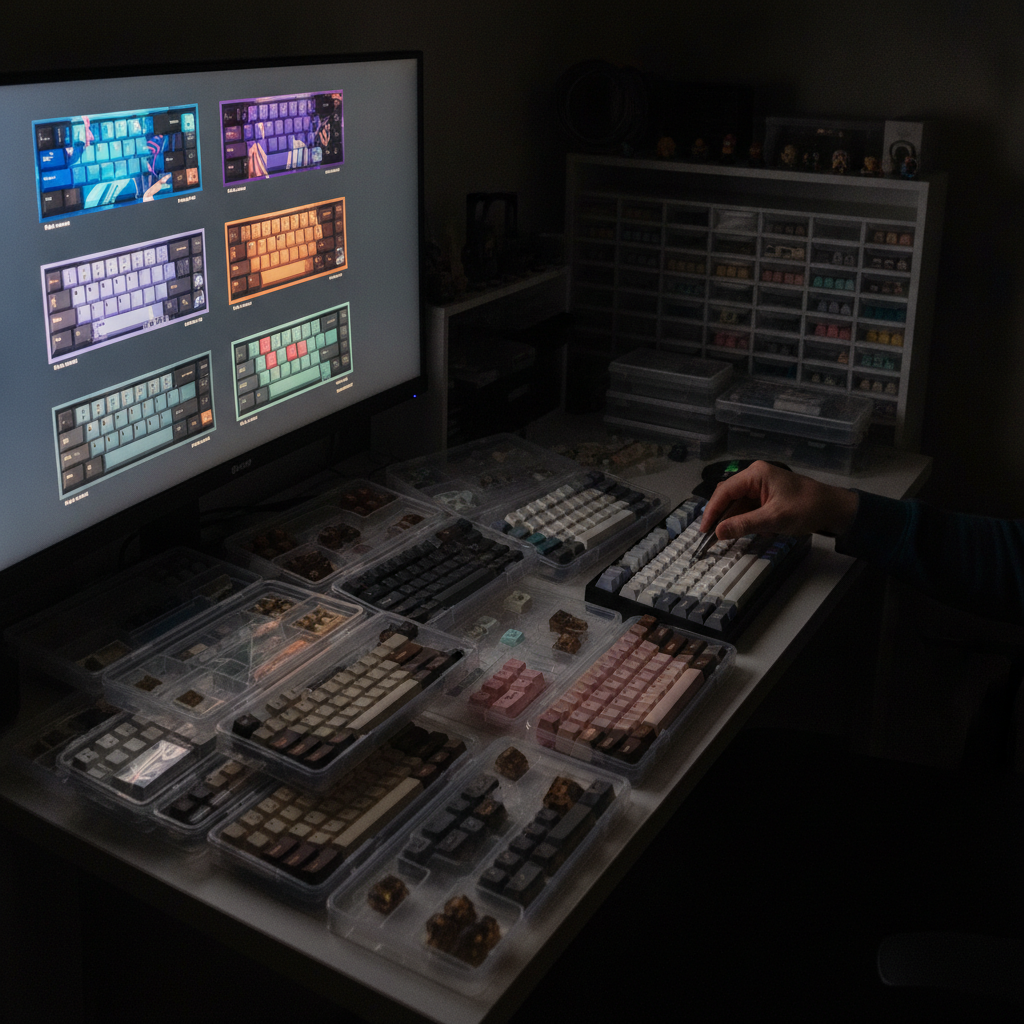
Once a design has been finalized in 3D, the next step is translating that digital render into a tangible product. This is where the challenge lies—ensuring that what appears in a 3D model accurately reflects the final physical product. Factors such as material properties and manufacturing techniques can influence the outcome. Designers must consider how colors may shift when printed or how the texture may feel in hand, which can differ from the digital visualization.
“The transition from render to reality is crucial; it’s about maintaining the integrity of the design while adapting to the constraints of production.”
To bridge this gap, many designers conduct physical mock-ups or prototypes. These allow them to test how the final product performs in real-world scenarios, ensuring that the user experience aligns with the envisioned design. This iterative process, where digital meets physical, is essential in achieving a successful keycap set that not only looks stunning but also feels right under the fingertips.
The Future of Keycap Design
As technology evolves, the possibilities for keycap set designers continue to expand. Innovations in 3D printing and materials science will likely lead to even more intricate designs and personalized options for consumers. Designers are also exploring augmented reality (AR) to offer users a chance to visualize how different keycap sets would look on their keyboards before making a purchase.
“The future of keycap design is bright, with advancements in technology paving the way for even more creativity and personalization.”
In conclusion, the interplay between render and reality in keycap set design is a testament to the power of 3D visualization. It not only empowers designers to innovate but also enhances the user's journey, ensuring that every keypress is a reflection of personal style and ingenuity.