 The Keycap Club
The Art of Color Theory in Keycap Design: Creating Sets That Sell Out in Minutes
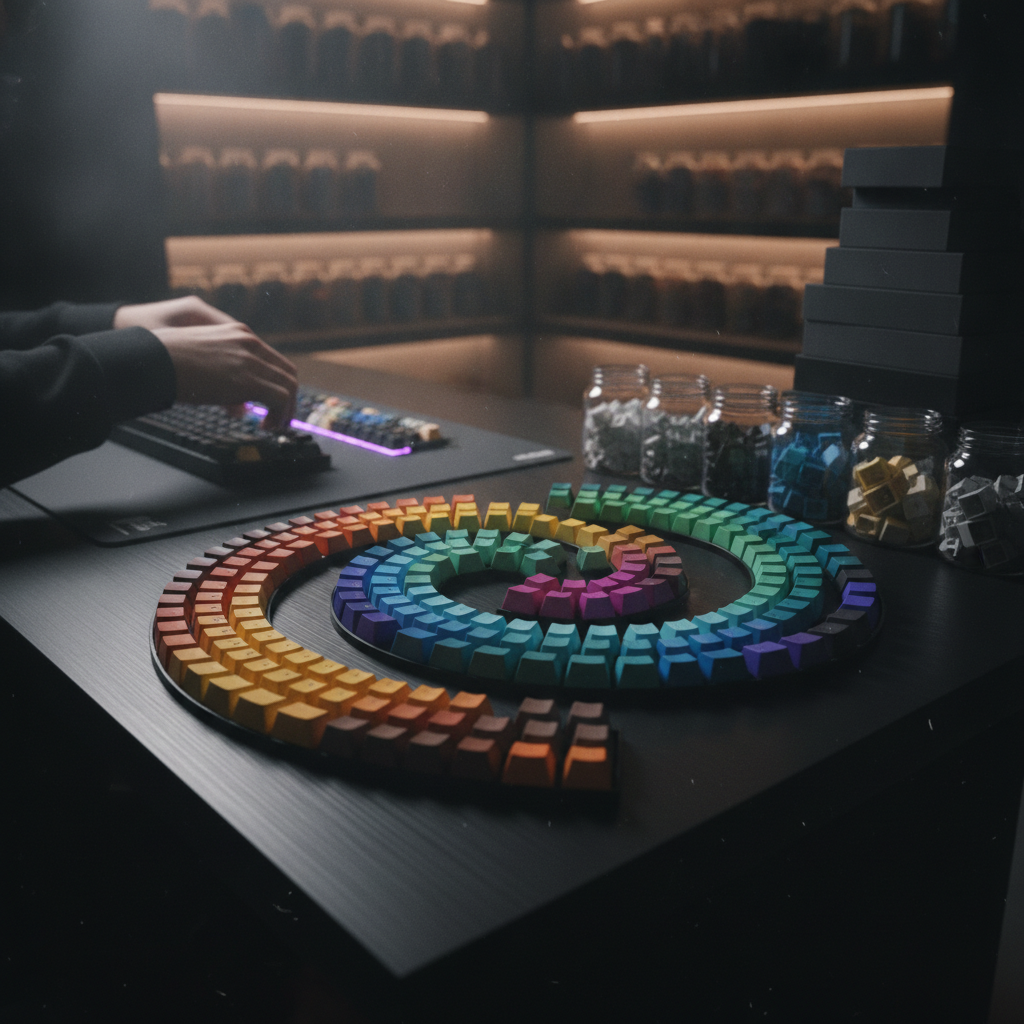
Understanding Color Theory in Keycap Design
In the vibrant world of keycap design, color theory plays a pivotal role in the success of a product. Designers are not just artists; they are strategists, using colors to evoke emotions, create visual harmony, and ultimately drive sales. When a keycap set captures the imagination of the community, it can sell out in mere minutes. Understanding how to effectively apply color theory is crucial for designers looking to create standout products.
The Color Wheel: The Foundation of Design
At the core of color theory is the color wheel, a tool that helps designers understand the relationships between different hues. The wheel is divided into primary, secondary, and tertiary colors, each with unique characteristics.
Primary Colors: Red, blue, and yellow are the building blocks of all other colors. Secondary Colors: These are created by mixing primary colors, resulting in orange, green, and purple. Tertiary Colors: These are formed by mixing primary and secondary colors, offering a wide range of options for designers.“Color is the keyboard, the eye is the hammer, the soul is the piano with many strings.” – Wassily Kandinsky
Color Harmony: Creating Visual Appeal
For a keycap set to stand out, achieving color harmony is essential. There are several methods to create this harmony:

- Complementary Colors: Colors opposite each other on the color wheel. When paired, they create a striking contrast that draws the eye.
- Analogous Colors: Colors that are next to each other on the wheel. These combinations are pleasing to the eye and often evoke a sense of tranquility.
- Triadic Colors: A set of three colors that are evenly spaced around the color wheel. This method offers balance and variety, making designs vibrant yet cohesive.
Emotional Impact of Colors
Colors evoke emotions and influence consumer behavior. Understanding these psychological effects can give designers an edge:
- Red: Passion, excitement, urgency.
- Blue: Trust, calmness, reliability.
- Green: Growth, harmony, freshness.
- Yellow: Optimism, clarity, warmth.
- Purple: Creativity, luxury, ambition.
By selecting colors that resonate with the intended audience, designers can create keycap sets that not only look good but also connect on a deeper level.
Trends and Personalization
Staying on top of color trends is imperative in the fast-paced world of keycap design. Designers should regularly explore current design trends, seasonal colors, and even cultural influences to ensure their products remain relevant. Additionally, incorporating customizable options can cater to a broader audience, allowing users to express their individuality.
Conclusion: Creating Keycap Sets That Sell Out
By harnessing the principles of color theory, keycap designers can create visually stunning and emotionally engaging products. A deep understanding of the color wheel, harmony, emotional impacts, and trends can lead to captivating designs that resonate with consumers. In a market where unique sets can sell out in minutes, mastering color theory is not just beneficial; it’s essential for success.